



The full text reads as follows:
A Vision for Justice in the New Bangladesh: Women’s Charter of the Bangladesh Jamaat-e-Islami for the 2026 National Election and Beyond
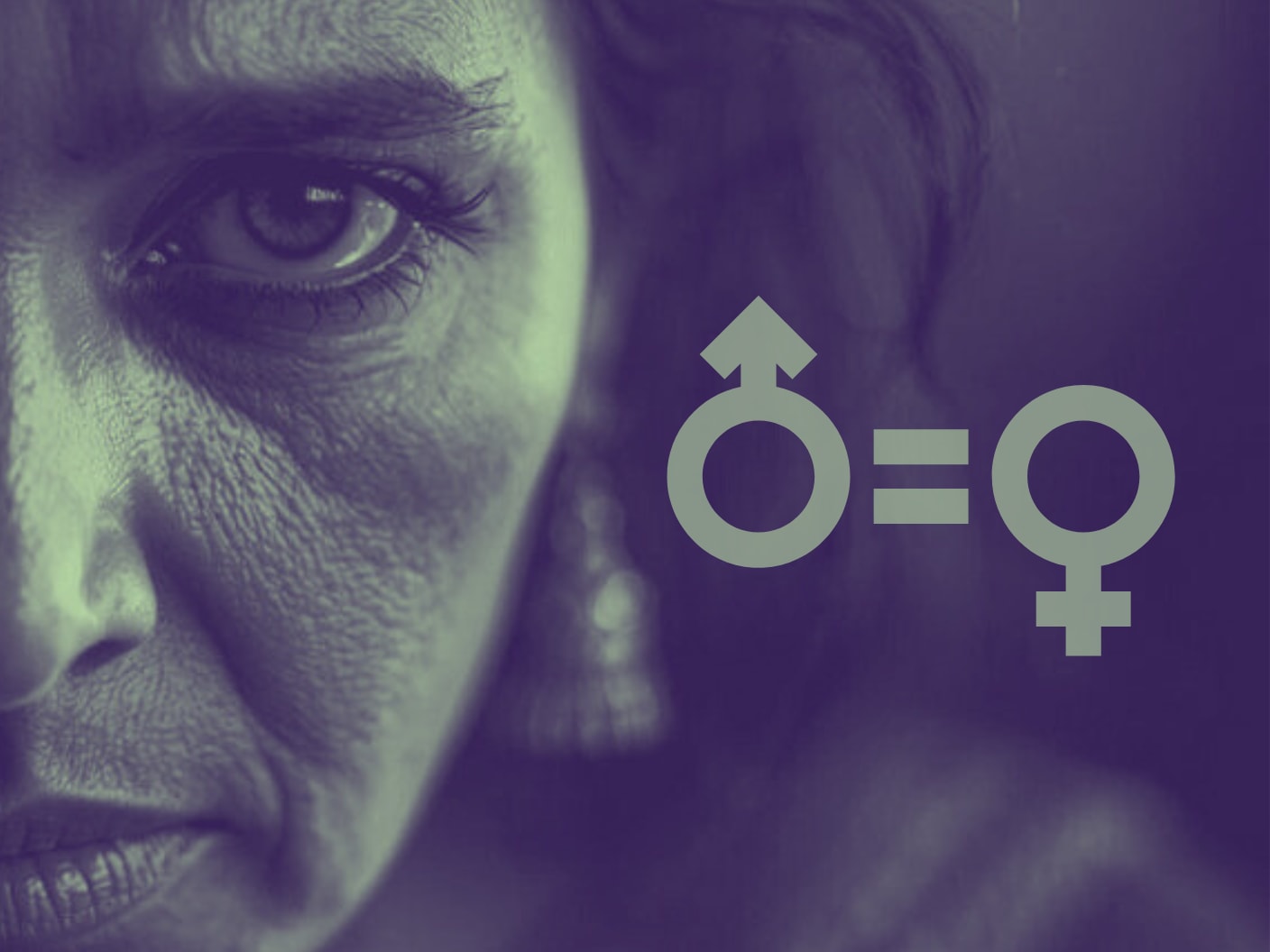
The Women’s Charter of Bangladesh Jamaat-e-Islami affirms that gender equity, grounded in justice, human rights and moral responsibility, applies to the full range of human dignity, security and citizenship.
Founded upon the ethical teachings of Islam, the Maqasid al-Shari’ah (higher objectives of Islam to preserve life, intellect and dignity), constitutional principles and universally recognised standards of justice, women are affirmed in this charter as individuals possessing inherent legal and moral agency. Accordingly, as equal citizens within the nation, women are entitled to inherent rights, including, but not limited to:
- Dignity
- Safety
- Education
- Workforce participation
- Economic independence, and
- Unrestricted civic engagement
This Charter categorically forbids:
- Forced and coerced marriage and any denial of a woman’s right to choose her partner.
- Physical, psychological and sexual abuse.
- Violation of economic rights, including the right to inheritance and property ownership.
- Harmful cultural practices and patriarchal interpretations to justify abuse.
It supports family life based on egalitarian principles, responsibility and compassion. It further affirms that none of its provisions may be used to deny women their rights based on custom, narrow ideological extremism or state overreach.
Bangladesh Jamaat-e-Islami affirms: the empowerment, happiness and success of women are not in conflict with the sanctity of religion, the strength of the family institution or the stability of society. On the contrary, the full realisation of a woman’s potential is a moral necessity and a divine requirement of justice. We uphold that protecting the inherent dignity and agency of women and ensuring justice for them is not only a fundamental human right and a religious necessity, but an essential condition for the flourishing and well-being of the New Bangladesh.
Preamble
We affirm that the dignity, autonomy and security of women are central to justice, equity and national success. This Charter is founded on the following principles:
- Human dignity is inherent, equal and inviolable.
- Justice is a fundamental moral and civic obligation.
- Social stability requires fairness, safety and the protection of individual liberties.
- Women are not merely objects of charity, nor subjects of control, but equal participants in the democratic, religious, social and civic life of the nation.
- Rejection of every form of exploitation, whether justified by culture, misused religion, or unregulated modern excess, is of paramount importance.
Article 1: Equal Human Dignity and Legal Equality
Women and men are equal in human dignity as creations of God and equal in citizenship before the law. The State shall guarantee:
- Protection of equitable legal justice (‘Adl) and the recognition of a woman’s full legal capacity and competence (Ahliyyah) in all civil and criminal matters.
- Access to justice without gender bias.
- Equal application of laws without discrimination in accordance with fundamental human rights ensuring that they do not contravene individual’s religious beliefs and laws.
Article 2: Right to Education and Knowledge
Women have the inherent right to all forms of beneficial education. The State shall work to remove obstacles, including poverty, insecurity, gender-based stereotypes and the misinterpretation of religion.
Education is recognised both as a personal right and a public investment that serves society.
Article 3: Economic Rights, Participation, and Fair Work
Women have the inherent right to independent ownership of property, including the full protection of their dower (Mahr) and inheritance (Mirath) according to their respective religious entitlements and the laws of the State. These rights are a matter of justice and financial security, which no authority or family member may infringe upon.
In exercise of these economic rights, women shall have the right to:
- Engage in any lawful profession or economic activity of their choice
- Independent access to financial credit and entrepreneurial resources
- Receive equal pay for equal work
- Safe work conditions
The State shall protect women from:
- Workplace harassment
- Economic injustice
- Unsafe or degrading labour conditions
Recognition of Domestic Contribution: Care and domestic work, traditionally unpaid, shall be socially and formally recognised as a vital contribution to national well-being. The State shall promote policies that respect the dignity of the domestic sphere and support women in balancing their economic aspirations with their pivotal role in the family institution and larger society.
Article 4: Political and Civic Participation
Women have the right to participate in public life through:
- Voting and standing for public office
- Involvement in political and social organisations
- Engagement in community, local and national governance
Such participation should serve the public good and uphold ethical responsibility.
Article 5: Marriage, Family and Justice
Marriage is a religious, moral and civil contract founded upon the free and informed consent of both spouses. In Islam, it is regarded as a sacred and solemn covenant (Mithaq). Within this framework:
- Women have the right to enter marriage voluntarily at the legal age of maturity.
- Women have the right to negotiate the terms of the marriage contract (Nikahnama) to protect their rights and protections.
- Women possess the right to seek lawful dissolution of marriage where justice and their fundamental rights require.
Forced marriage and domestic abuse are categorical violations of both religious mandates and legal norms.
Article 6: Health, Safety and Protection from Abuse
Women have the right to:
- Accessible and appropriate healthcare
- Maternal and family health services
- Protection from physical, psychological and sexual violence
The State shall pursue survivor-centred justice and rehabilitation where abuse has occurred.
Article 7: Belief, Conscience and Moral Integrity
Women have the right to hold their own beliefs, exercise their conscience and express their views as independent individuals. This includes the right to interpret their faith and identity without coercion from family, society or the state. No woman shall be oppressed through the instrumentalisation of religion.
Article 8: Social Justice and Protection of Vulnerable Women
Special protection shall be afforded to:
- Widows and single mothers
- Elderly women
- Women with disabilities
- Marginalised and minority women
State policies shall actively promote social security and inclusion for everyone, including women.
Article 9: Ethical Media and Cultural Representation
The State shall promote ethical standards that protect women from commercial objectification and exploitation, upholding the values of human decency (Haya) and respectful representation in society while upholding freedom of expression.
Freedom of expression must be exercised with social responsibility and respect for human dignity.
Article 10: Implementation and Review
This Charter shall guide legislative and policy initiatives.
The State will commit to:
- Periodic review of all laws to ensure compliance with gender rights and equality
- Periodic public consultation to ensure democratic participation and respect for traditional values
- Evidence-informed reform
- Strengthening institutions that support and protect women’s rights
Concluding Declaration
Bangladesh Jamaat-e-Islami affirms that the dignity, security and freedom of women empower individuals in society, strengthen the family institution, and contribute to national advancement. Fear, coercion or exclusion will not help us as a nation. Rather, upholding women’s rights as a matter of fundamental justice is a core prerequisite to rebuilding a justice-based new Bangladesh. Bangladesh Jamaat-e-Islami is willing to take on this challenge from a unique position of harmonising religious and social values with democratic and modern principles.